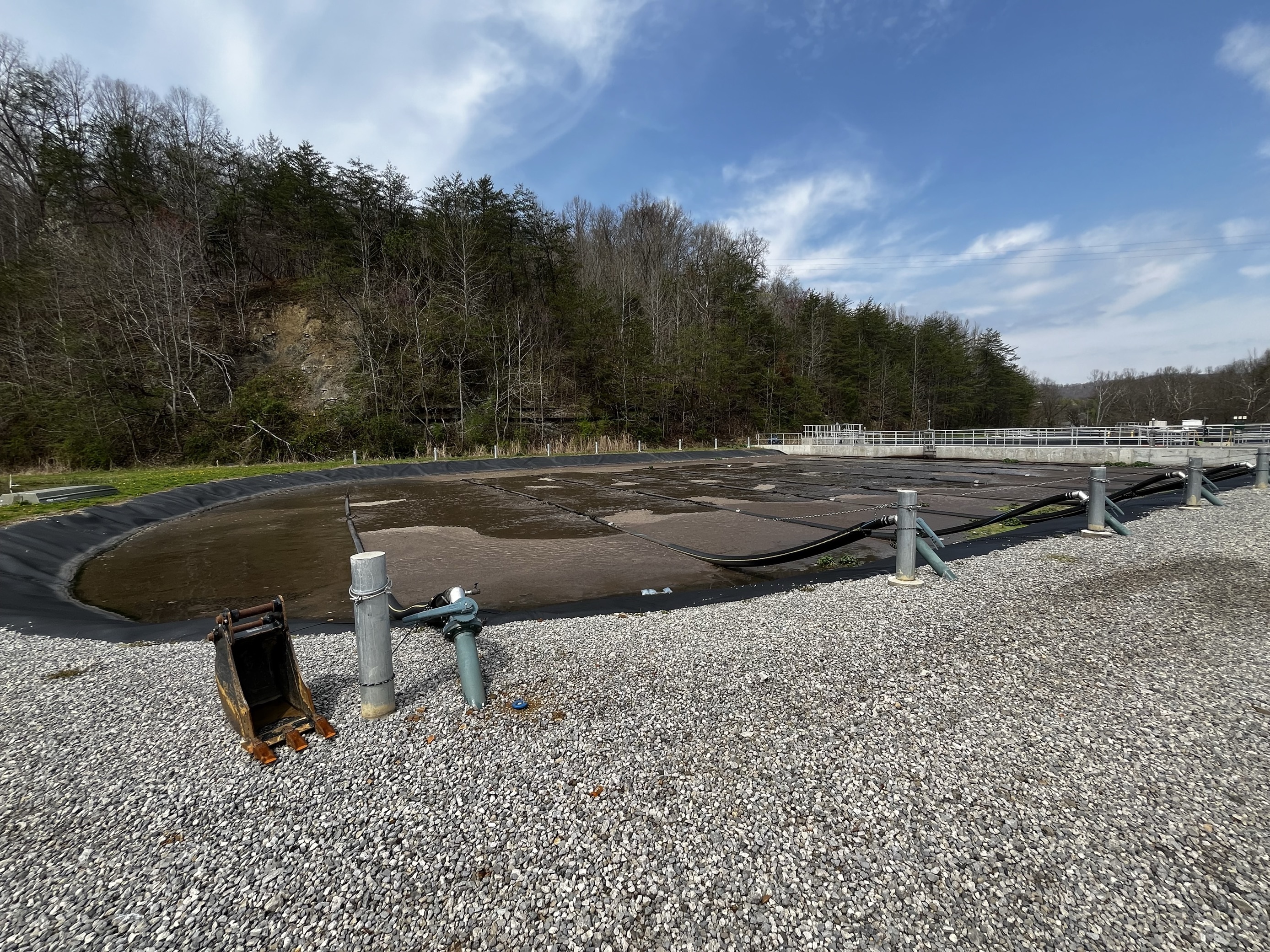
Delaware County's $46 million renovation of the wastewater treatment plant on Olentangy River Road saved an estimated $12 million by using a construction method that made the project one of the first public-sector efforts in Ohio to employ Progressive Design Build, Regional Sewer District Director Tiffany Maag said in a county press release tied to the facility's ribbon-cutting Tuesday, Aug. 11.
The savings matter here. The Olentangy Environmental Control Center processes about 4 million gallons of wastewater daily for Powell, Liberty Township, Berlin Township, Concord Township and portions of Orange Township.
Rather than completing a design and then soliciting construction bids separately, the county had design-engineering firm Arcadis U.S., Inc. of Columbus and Peterson Construction Company of Wapakoneta collaborate on the design from the start, lowering costs while expanding the plant's capacity by more than 20 percent over nearly four years of construction.
As we reported Aug. 10, commissioners cut the ribbon on the upgraded facility at 10333 Olentangy River Road. A detailed account published by the Delaware Source on Wednesday, Aug. 12 adds new details about the scope of the work and what comes next for the region's sewer infrastructure.
Commissioner Gary Merrell, who also sits on the Delaware County Regional Planning Commission, told attendees at the ribbon-cutting that preliminary discussions are underway for a potential fourth major treatment plant near the Alum Creek area to handle ongoing regional development. No timeline, cost estimate or formal vote has been announced.
The OECC is the county's second-largest treatment plant; the Alum Creek Water Reclamation Facility is the largest. The Regional Sewer District serves more than 129,000 people through 550 miles of sewer lines.
What the renovation fixed
Operations Superintendent Jason Watts, who kept the plant running throughout construction, described conditions before the project began. Aging equipment had failed, forcing staff to rent costly replacements for routine maintenance. An outdated control system caused the station's wet well to flood during heavy rain, requiring workers to manually manage pump rates.
"Any unwanted debris, we had no way to get that out without it getting caught in equipment," Watts said at the Aug. 11 ceremony.
The upgrade added an automatic debris screening system, biological phosphorus removal that replaces a more expensive chemical process, a redundant centrifuge backup that eliminates rental costs during maintenance, a new influent pump station and a heavy-flow control system. Two new buildings house the screening equipment and storage.
Funding and context
The Ohio Department of Development partially funded the project through a grant, and the Ohio Water Development Authority provided a loan. The grant amount has not been disclosed. The renovation is part of a system-wide master plan the commissioners adopted in 2017, targeting growth corridors along Sawmill Parkway and U.S. Route 23.
At $46 million, the project cost more than the county spent on the 4.5-mile Sawmill Parkway extension, according to the Delaware Source.
Commissioner Jeff Benton, president of the Board of Commissioners, praised the sewer district staff for maintaining operations under what he called very challenging circumstances throughout the four-year construction period.
No date has been set for a public discussion of Merrell's proposed fourth treatment plant.